
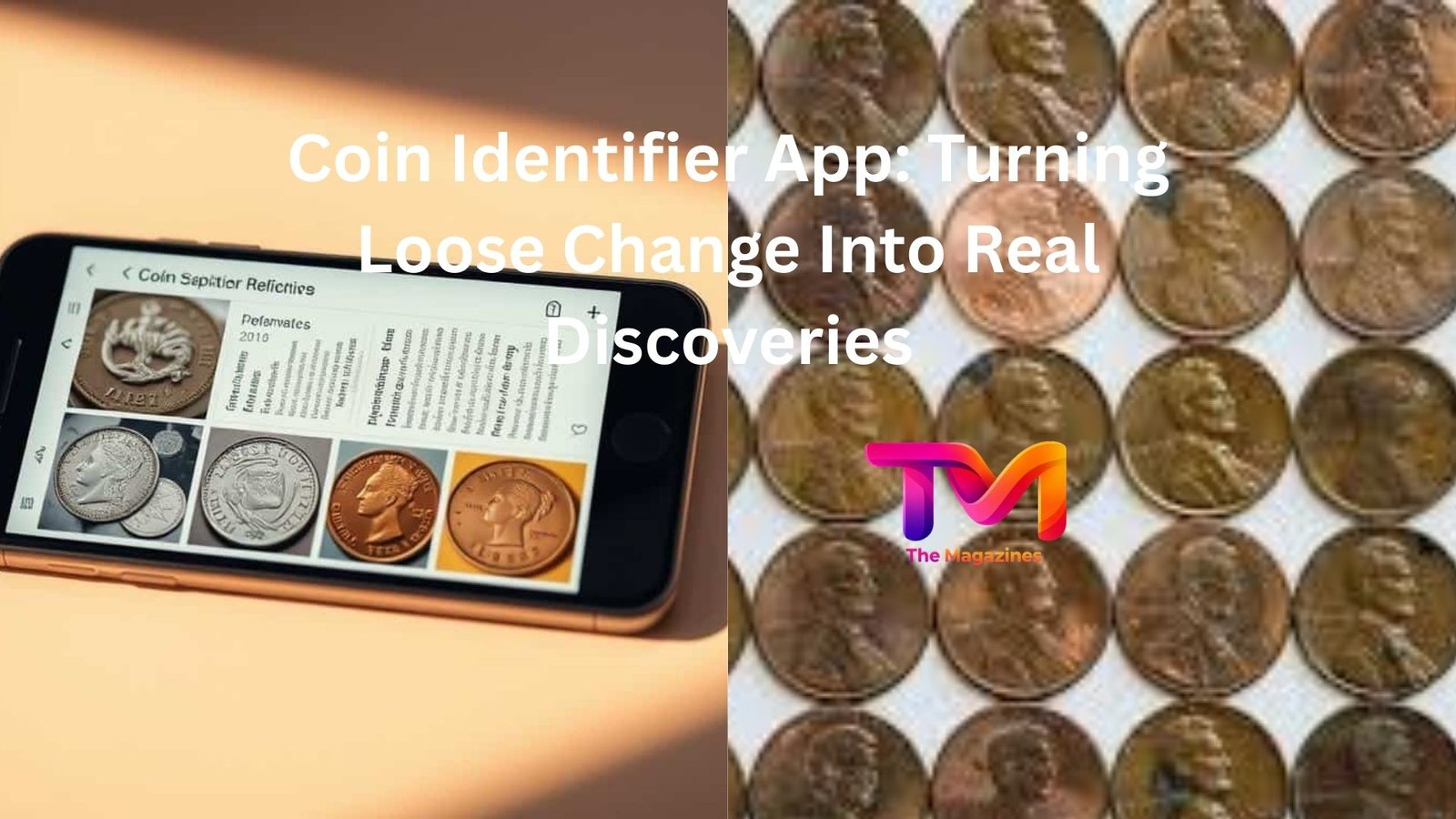
Most coins look ordinary at first glance. A dull copper penny. A scratched silver quarter. Something you might drop into a jar and forget about.
But every once in a while, a coin isn’t just a coin.
It’s a story. Sometimes it’s history. Occasionally, it’s money you didn’t realize you had.
That’s where a coin identifier app comes in. 🪙📱
Instead of digging through collector books or scrolling through endless forums, you can point your phone at a coin and get an instant idea of what it is. Country. Year. Metal. Sometimes even an estimated value. For hobbyists, collectors, and curious people who just found a strange coin in the couch, that’s a surprisingly powerful tool.
The interesting part isn’t just the technology. It’s what happens when everyday people suddenly realize the coins around them might actually matter.
Why Coins Still Fascinate People
Coins are small pieces of history hiding in plain sight.
Pick up a coin minted 70 years ago and think about how many hands it passed through. A coffee shop. A train station. Someone’s pocket during a long road trip. Coins move constantly, quietly carrying their age with them.
That’s part of the appeal.
Collectors have always known this, of course. Serious numismatists spend years studying mint marks, metal composition, and historical variations. But most people don’t live in that world. They just stumble across something unusual and wonder what it is.
Maybe it’s a coin with unfamiliar writing.
Maybe the date looks old.
Maybe the color seems different.
Before smartphone apps existed, identifying it meant digging through reference guides or posting blurry photos on collector forums and waiting for someone to answer. Sometimes you got lucky. Sometimes the post disappeared into the internet void.
Now you just open an app and scan it.
What a Coin Identifier App Actually Does
The basic idea is simple.
You take a photo of a coin. The app analyzes it. Then it compares the image to a massive database of known coins.
Within seconds, it usually suggests a match.
That match might include things like:
- Country of origin
- Year of minting
- Denomination
- Metal type
- Historical background
- Rough market value
Under the hood, these apps rely on image recognition. They analyze patterns like lettering, symbols, edges, and portrait details.
Even worn coins often work because the software recognizes shape patterns rather than relying only on clear text.
One friend of mine tested this on a messy jar of mixed coins from a trip through Europe. Within minutes he had identified French francs, old German marks, and a couple of Italian lire coins that hadn’t been used in decades.
None of them were valuable. But suddenly that random jar became a tiny travel archive.
The Surprise Factor
Here’s the thing most people don’t expect.
Sometimes the app identifies something genuinely interesting.
Not necessarily life-changing money. Let’s keep expectations realistic. But coins with collector interest show up more often than people think.
For example, certain mint errors or low-production years can make a coin worth far more than its face value.
A slightly misprinted date.
An unusual mint mark.
A small variation in the design.
Those little details are exactly what collectors look for. And they’re exactly the kinds of things an identification app can highlight.
Imagine sorting through spare change while watching TV and discovering that one coin might actually be worth $30 or $50.
That moment alone is enough to hook people.
When Curiosity Turns Into a Hobby
A funny thing happens once someone starts scanning coins.
They begin paying attention.
Suddenly you notice mint marks. Dates. Design differences. Foreign coins you never looked twice at before.
What started as a quick experiment with an app becomes a small ritual.
You empty your pockets at night and scan the coins.
You check old coin jars.
You ask relatives if they have coins sitting around.
Collectors sometimes call this the “rabbit hole moment.” Once curiosity kicks in, it’s hard to turn off.
Coin identifier apps don’t replace traditional collecting knowledge, but they lower the barrier to entry dramatically. Someone who knew nothing about coins yesterday can begin exploring today.
Accuracy Isn’t Perfect (And That’s Okay)
Now let’s be honest for a second.
Coin identifier apps aren’t flawless.
Lighting matters.
Camera quality matters.
Wear on the coin matters.
If a coin is extremely scratched or the photo is blurry, the app might guess wrong. It might confuse similar designs or misread a year.
But even when the first guess isn’t perfect, it usually gets you close enough to start researching.
Think of it as a guide rather than a final authority.
Serious collectors still double-check values and details using catalog databases or auction listings. The app simply speeds up the first step: figuring out what you’re looking at.
That alone saves enormous time.
The Joy of Identifying Foreign Coins
One of the most satisfying uses for a coin identifier app is foreign coins.
Everyone has them somewhere.
They show up in old travel wallets, airport change trays, inherited collections, or the mysterious junk drawer that seems to exist in every home.
Without context, foreign coins are almost impossible to identify.
The language may be unfamiliar. The alphabet might be different. The numbers might not even look like numbers.
Scan it with an app, though, and suddenly you learn something.
Maybe it’s a Thai baht from the early 1990s.
Maybe it’s a commemorative Canadian coin celebrating a historical event.
Maybe it’s a Soviet-era kopek from a country that no longer exists.
Coins become little geography lessons.
Not Every Coin Is Valuable
It’s worth setting expectations early.
Most coins identified by these apps are not rare treasures. They’re just normal circulation coins.
A 1978 penny? Probably worth one cent.
A common quarter? Still a quarter.
But that doesn’t make the experience pointless.
Part of the fun is learning why certain coins aren’t valuable. Maybe millions were minted. Maybe the metal composition is common. Maybe collectors simply have plenty available.
Understanding that context deepens appreciation for the coins that are special.
And once in a while, a surprise pops up.
A small minting error.
An older silver coin.
A limited commemorative issue.
Those moments keep people scanning.
How Lighting and Angles Make a Big Difference
If someone tries a coin identifier app and gets bad results, the issue is usually the photo.
Coins are reflective. Glare can hide details.
A quick trick many collectors use is simple: indirect light and a dark background.
Place the coin on a table. Tilt the phone slightly. Let the details catch soft light instead of a bright reflection.
Suddenly the date and lettering become clear, and the app’s recognition improves dramatically.
It’s a small adjustment, but it makes a big difference.
Coin Apps and the Modern Collector
Traditional coin collecting often had a slow start.
You needed catalogs. Dealers. Sometimes a mentor who knew the field.
Now a teenager with a smartphone can begin learning about numismatics in minutes.
That accessibility is changing the hobby.
Collectors today often begin digitally. They scan coins, read quick summaries, then dive deeper into forums, auction sites, and collector communities.
The app becomes the gateway.
And in many cases, it turns casual curiosity into a genuine interest in history, economics, and design.
Coins reflect the eras that created them. Wars. Political changes. Cultural symbols. Even shifts in metal supply.
A small round object can hold an incredible amount of context.
When the App Gets It Right
Every now and then, the technology nails it perfectly.
You scan a coin.
Within seconds, the app identifies it, shows the correct year, explains the design, and even displays comparable sales from collector marketplaces.
That moment feels a little like magic.
Not because the technology is mysterious, but because it connects you instantly to a larger world of information that used to require hours of research.
And sometimes the story behind the coin ends up being more interesting than its value.
Maybe it commemorates a historic event. Maybe it’s from a country that changed its currency decades ago. Maybe it was minted during a year when metal shortages forced design changes.
A coin that looked boring suddenly has context.
A Small Tool That Changes How People See Coins
Once someone uses a coin identifier app for a while, everyday change starts to look different.
Coins stop being background objects.
You notice designs. Years. Mint marks.
You start wondering where certain coins came from and how long they’ve been circulating.
Most people will never become serious collectors. That’s fine. The point isn’t to build a museum-level collection.
The point is curiosity.
And if an app encourages someone to look closer at the small pieces of history passing through their hands every day, that’s already a win.













Leave a Reply