
What Football Tactics Can Teach Us About Mastering Academic Writing
There is a unique energy that vibrates through the air on match day. Whether you are walking up the Gallowgate End or watching from a pub in London, the tactical discipline on the pitch is a masterclass in strategy. Most people see eleven players chasing a ball, but if you look closer, you see a complex system of movement, pressure, and precision. Interestingly, the same principles that lead a team to a trophy can be applied to the way we handle a massive university dissertation or a complex essay.
Academic success isn’t just about being “smart.” Just like football, it’s about preparation, positioning, and knowing when to sprint. If you treat your studies like a Premier League season, you’ll find that the finish line is much easier to reach.
The Pre-Season: Preparation and Research
Before a single ball is kicked in August, managers spend months analyzing data and drilling their squads. You cannot win a game without a game plan. In academia, your “pre-season” is your research phase. Many students make the mistake of diving straight into writing without a tactic. This is the equivalent of a team running onto the pitch without knowing who is playing in defense.
You need to scout your sources. Look for the most reliable journals, the most cited authors, and the most relevant data. When you have a solid foundation of information, the writing process becomes a series of executed plays rather than a frantic scramble. If the research feels overwhelming, getting a professional assignment helper to guide your initial structure can be the difference between a mid-table finish and a podium spot.
The 4-4-2 of Essay Structure
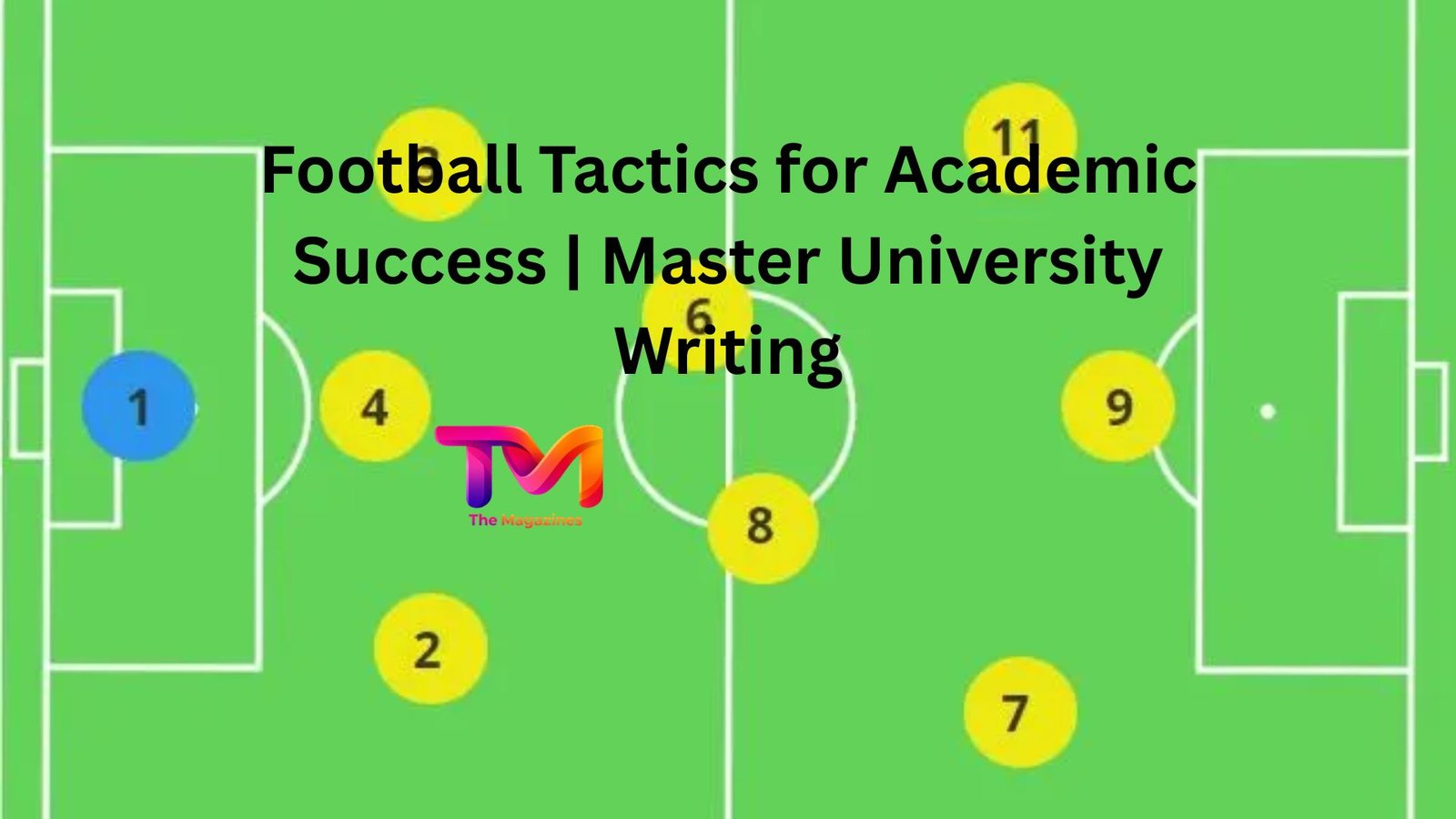
In football, the 4-4-2 formation is a classic for a reason: it’s balanced, reliable, and covers all areas of the pitch. Your academic writing needs a similar structure to ensure you don’t leave gaps in your argument.
- The Defense (The Introduction): Your intro must be solid. It sets the tone and protects your thesis statement. If your introduction is weak, the reader (or the marker) will find holes in your logic immediately.
- The Midfield (The Body Paragraphs): This is where the work happens. Your midfield needs to transition the ball from defense to attack. In writing, your body paragraphs must link your research to your conclusions. This requires fluidity and “passing” ideas back and forth to show a deep understanding of the subject.
- The Attack (The Conclusion): This is where you score. Your conclusion shouldn’t just repeat what you’ve already said; it should finish the argument with clinical precision.
High-Pressing: Staying Ahead of Deadlines
One of the most popular tactics in modern football is the “high press”—winning the ball back as early as possible to stay in control. In the world of university, the high press is your defense against deadlines. If you wait until the last 48 hours to start a 3,000-word paper, you are playing “route one” football—desperate long balls that rarely find the target.
By starting early and “pressing” your assignments, you stay in control of the narrative. You have time to review, time to edit, and time to breathe. When technical subjects like coding or software engineering get complicated, seeking computer science assignment help early in the semester allows you to master the concepts before the pressure of the final whistle.
Adaptive Tactics: When the Plan Needs to Change
No manager sticks to a failing plan for 90 minutes. If the opponent is sitting deep, you have to change your approach. The same applies to writing. You might find halfway through an essay that your original thesis doesn’t hold up against the evidence you’ve found.
Don’t be afraid to make a substitution. Swap an outdated source for a fresh one. Change your angle if the data suggests a different conclusion. A human writer knows that a first draft is just a tactical experiment. The real skill lies in the “half-time” adjustments—the editing and proofreading that refine your work into something professional.
The Importance of the Coaching Staff
Even the best players in the world have coaches. They have analysts, physios, and tactical advisors. No one succeeds in a vacuum. In the academic world, your “coaches” are your tutors, your peers, and professional academic mentors. Utilizing these resources isn’t a sign of weakness; it’s a sign of a professional mindset. A top-tier student knows how to delegate their time and when to ask for a specialist opinion to ensure their work meets the highest standards.
Conclusion
Mastering academic writing is a marathon, not a sprint. It requires the stamina of a midfielder and the tactical mind of a manager. By applying the logic of the pitch—preparation, structure, pressure, and adaptation—to your university work, you transform a stressful task into a winning strategy. Keep your eye on the goal, stick to your formation, and don’t be afraid to call for backup when the game gets tough.












Leave a Reply