
Introduction
A safety management system includes an Emergency Action Plan (EAP) and Hazard Identification and Risk Assessment (HIRA) system among many other risk assessment systems. These are further optimised by integrating the latest occupational health and safety management software. Such measures enable leadership to proactively prevent accidents, mitigate risks, and respond immediately in the event of an emergency.
Workplace safety is an essential component of running a business smoothly. Not only does it ensure that a business runs smoothly after a disaster strikes, but it also ensures complete workforce safety, maintains business reputation, and protects assets.
Read on to learn more about how HIRA benefits an organisation and how essential it is to integrate the best occupational health and safety management software that aligns with HIRA.
Hazard Identification and Risk Assessment (HIRA)
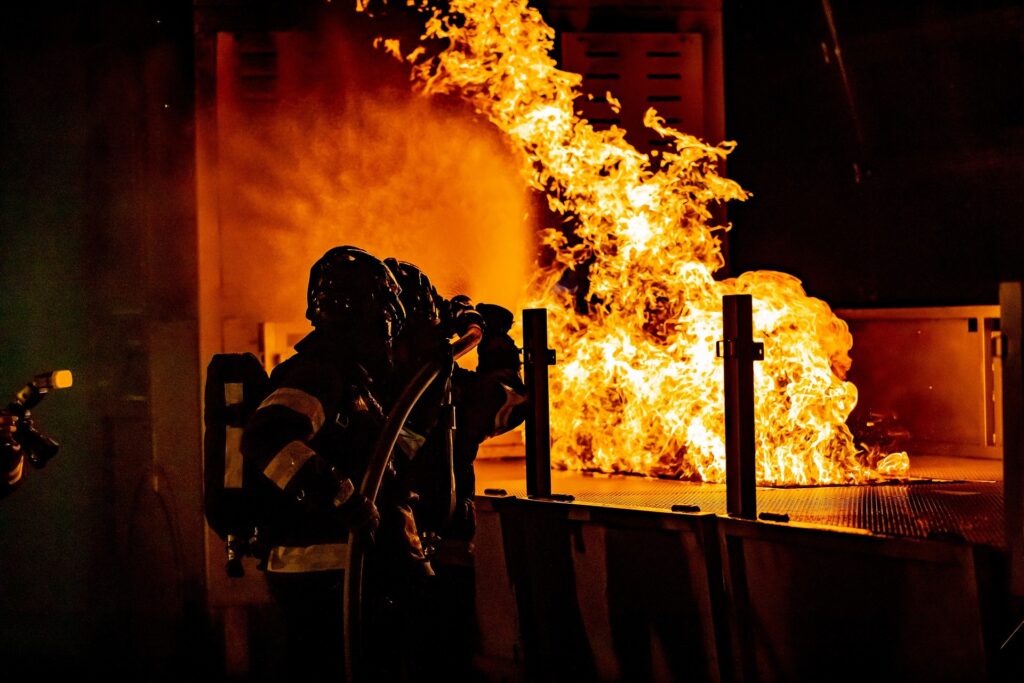
HIRA or Hazard Identification and Risk Assessment is a mandatory safety and security management system followed by organisations today at places where hazardous activities are involved. By implementing HIRA, an organisation can execute the following functions promptly:
- Prevent accidents, injuries and damage to assets and property.
- Implement efficient disaster or damage control measures for a safe working space.
- Maintain operational efficacy control measures after a crisis is over.
- Ensure legal compliance and report potential dangers beforehand.
- Reduce financial losses and promote the overall workplace safety culture.
Hazard Identification
- Hazard identification is the first step in managing workplace safety and risk management. Hazards in a workplace are simple activities like a wet floor causing slips to fires, electrical or other major technical faults, exposure to hazardous chemical substances and so on.
- Hazard Identification includes consistent training for employees working in high-risk environments.
- Another category of hazard assessment includes hazards that may cause psychological stress such as heavy workloads, poor employee relationships, and a lack of managerial support that can impact employee health and general well-being.
Risk Assessment
- Risk assessment is a systematic process that helps in identifying workplace hazards.
- Various risk management and the latest assessment software enable an organisation to understand the likelihood of potential hazards
- The management aims to determine relevant control measures.
Who is Responsible For Conducting a Hazard Assessment?
Maintaining workplace safety is not a one-man task but a product of teamwork executed with the help of clear communication channels and clearly defined roles and responsibilities by the leadership. Here is how management can work collectively towards maintaining a safe workspace and who is responsible for conducting a hazard assessment and managing risks:
- Employer’s Legal Responsibility
ISO 45001 is a global standard of safety and security measures. It is the organisation’s legal obligation to adopt a systematic approach to managing the health and safety of employees. The aim is to create a safe working environment and maintain operational continuity after a crisis is over as per the requirements or guidelines outlined in the standard.
- Employee Responsibility
Maintaining a safe working environment is a joint responsibility and moral duty of all the employees of a workspace. Proper instructions must be followed of the supervisor or safety manager who has the potential of identifying existing hazards or more. Acting responsibly and smartly ensures complete risk assessment, helping everyone around.
- Shared Commitment
At every workspace, employees actively participate in maintaining safety by reporting hazards and attending safety training workshops and sessions. The aim is to be aware of the latest and updated safety protocols and use safety equipment properly. It is only with a coordinated team effort that compliance regulations can be met.
- Role of Experts or Competent People
Regular and surprise comprehensive workplace inspections are the best way to check if appropriate risk assessment measures are in place to identify risks and maintain compliance. It is the responsibility of an expert consultant to complete task analysis regularly and review incident reports regularly to fix discrepancies of any.
Conclusion
Risk assessment helps in immediate and effective decision-making. Employees are able to prioritise essential actions that must be executed to reduce or eliminate risks and maintain operational continuity. From regular maintenance of safety equipment at the workplace to training employees on how to be efficient at saving their own lives and those of others, occupational health and safety management covers it all and much more.
Frequently Asked Questions
Q. 1 What are the 4 types of hazard assessments?
Answer: The 4 types of hazard assessments are physical hazard assessments, biological hazard assessments, chemical hazard assessments, and ergonomic hazard assessments. The aim is to ensure timely identification of discrepancies to ensure employee well-being, implement appropriate control strategies and even timely training of employees.
Q. 2 What are the 5 steps to implement a risk assessment strategy?
Answer: The 5 essential steps to follow while implementing a risk assessment are prior hazard identification, implementing appropriate risk control measures, recording and uploading findings and reviewing or renewing controls that seem outdated. The aim is to evaluate the damage that can be inflicted in case of a potential hazard and ensure compliance with the latest regulatory and legal standards.
Q. 3 What are the 5 principles of a thorough occupational health and safety management system?
Answer: The 5 principles of a thorough occupational health and safety management system are framing an appropriate safety policy that aligns with the objectives of a company, implementing an appropriate safety risk management system, providing the staff with training, assuring the stakeholders and promoting safety proactively by the higher management.
Q. 4 What are the key requirements mentioned under ISO 14001?
Answer: ISO 14001 mentions operations that do not interfere with environmental maintenance, adhere to international and national green laws. Organizations are able to update eco-friendly operations regularly by adhering to the standards and avoid penalties and legal procedures in case of any violation.
Q 5. How is an emergency management or mitigation plan implemented?
Answer: The first step of an emergency management plan is prevention of accidents, assigning proper roles and responsibilities to employees, regular training, educating and preparing the employees, and adopting a proactive approach towards recovery once the crisis is over.













Leave a Reply