
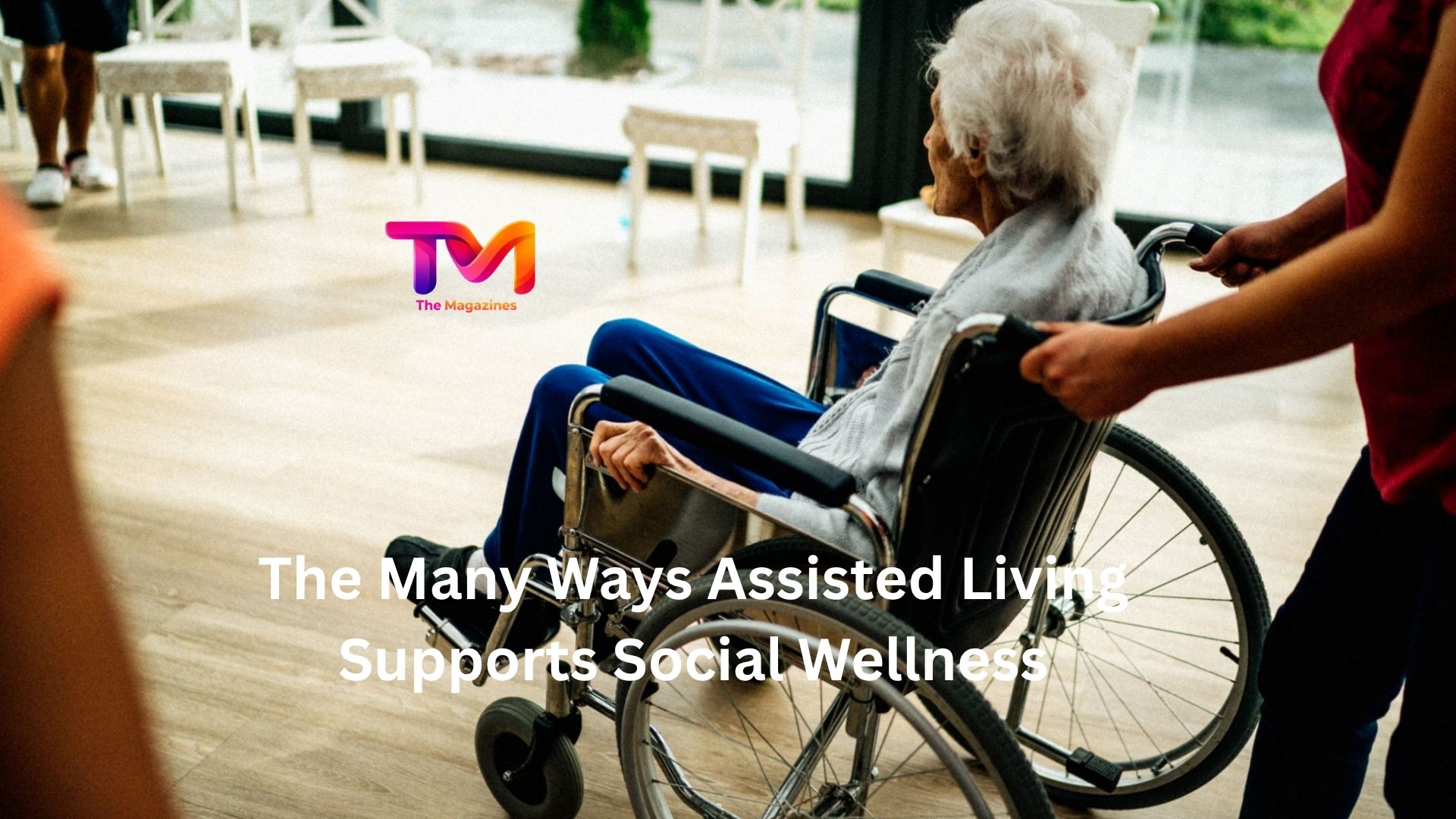
Social connection plays a central role in overall well-being, yet it often becomes more difficult to maintain with age. Changes in mobility, health challenges, and the loss of social networks can all contribute to feelings of isolation among older adults. Assisted living communities are designed to address these challenges by creating environments where connection, engagement, and shared experiences are part of everyday life. Beyond providing care, these communities actively support social wellness—helping residents build relationships, stay engaged, and maintain a sense of belonging.
Built-In Opportunities for Daily Interaction
One of the most significant advantages of assisted living is the natural accessibility to others. Unlike living alone, where social interaction requires effort and planning, residents in assisted living are surrounded by peers and staff throughout the day.
Shared spaces such as dining rooms, lounges, and activity areas become gathering points where connections form organically. Even simple routines, like enjoying meals together or participating in morning coffee hours, foster familiarity and companionship. These regular touchpoints help create a rhythm of connection that can be difficult to replicate in more isolated living situations.
The consistency of these interactions plays a key role in social wellness. Over time, casual conversations can evolve into meaningful friendships, reducing the sense of loneliness that many older adults experience.
Structured Activities That Encourage Engagement
Assisted living communities typically offer a wide range of organized activities designed to appeal to diverse interests. From art classes and book clubs to fitness sessions and group outings, these programs provide structured opportunities for residents to engage with one another.
Participation in group activities serves multiple purposes. It encourages residents to leave their rooms, interact with others, and pursue personal interests. At the same time, it introduces a sense of purpose and routine, which can positively influence emotional well-being.
Importantly, these activities are often tailored to accommodate varying levels of ability. This ensures that more residents can participate comfortably, without feeling excluded or overwhelmed. When individuals feel capable and supported, they are more likely to engage socially and maintain an active role within the community.
Creating a Sense of Belonging
Social wellness goes beyond interaction—it also involves feeling valued and included. Assisted living communities often place a strong emphasis on fostering a sense of belonging among residents.
This can be achieved through resident councils, group decision-making, and opportunities to contribute to community life. Whether helping organize events, welcoming new residents, or sharing personal talents, individuals are encouraged to take part in shaping their environment.
In places like assisted living in Napa, CA, communities often reflect the character of the surrounding area, incorporating local culture, cuisine, and events into daily life. This cultural connection can deepen residents’ sense of identity and attachment, making the environment feel more like a true home rather than a transitional space.
Feeling connected to both people and place supports emotional stability and reinforces a positive outlook on daily life.
Strengthening Family and Intergenerational Connections
Assisted living does not replace relationships outside the community—it can enhance them. By providing support with daily needs, these communities allow residents to focus more on meaningful interactions with family and friends, rather than logistical concerns.
Many assisted living settings actively encourage visits and host family-centered events. Holiday celebrations, open houses, and shared meals create opportunities for loved ones to stay involved. Technology also plays an increasingly important role, with communities offering support for video calls and digital communication.
Some communities go a step further by integrating intergenerational programs. Partnerships with local schools or volunteer groups bring younger generations into the community, creating opportunities for shared learning and companionship. These interactions can be deeply rewarding, offering fresh perspectives and a renewed sense of connection.
Emotional Support Through Community and Care
Social wellness is closely tied to emotional health, and assisted living communities are uniquely positioned to support both. Staff members are often trained to recognize signs of social withdrawal or emotional distress, allowing for timely support and intervention.
The presence of a caring community can make a meaningful difference. Residents are surrounded by others who may share similar life experiences, creating a foundation for empathy and understanding. Conversations about shared memories, challenges, and milestones can foster deep connections that go beyond surface-level interaction.
In addition, many communities offer access to counseling services, support groups, or wellness programs that address emotional health directly. These resources complement social engagement by providing residents with tools to navigate transitions, cope with loss, and maintain a positive outlook.
Conclusion
Assisted living communities play a vital role in supporting social wellness by creating environments that prioritize connection, engagement, and belonging. Through daily interaction, structured activities, and a strong sense of community, residents are given opportunities to build relationships and remain socially active. By addressing both the practical and emotional aspects of aging, assisted living helps individuals maintain a fulfilling and connected lifestyle that supports overall well-being.













Leave a Reply