
We spend nearly 90% of our time indoors, whether at home, in the office, or in commercial spaces. While many people focus on diet, exercise, and mental well-being, one important factor often goes unnoticed: indoor air quality. The air you breathe inside buildings can significantly influence your health, your ability to concentrate, and even the quality of your sleep.
Poor indoor air quality isn’t just an inconvenience—it can contribute to allergies, respiratory problems, fatigue, headaches, and reduced productivity. On the other hand, maintaining cleaner indoor air creates a healthier environment where people can work efficiently, sleep more comfortably, and enjoy a better quality of life.
This article explores how indoor air quality affects everyday well-being and why improving it should be a priority for homeowners, employers, and facility managers alike.
What Is Indoor Air Quality?
Indoor air quality (IAQ) refers to the condition of the air inside buildings and how it affects the people who occupy those spaces. Good IAQ means the air is clean, properly ventilated, and free from excessive pollutants that may harm health.
Several factors influence indoor air quality, including:
- Ventilation and airflow
- Humidity levels
- Temperature consistency
- Air filtration systems
- Dust and allergens
- Mold and mildew
- Volatile Organic Compounds (VOCs)
- Outdoor pollution entering indoor spaces
Even modern buildings with attractive interiors can suffer from poor air quality if ventilation and HVAC systems are not properly maintained.
The Connection Between Indoor Air Quality and Productivity
Many employees and remote workers spend eight or more hours each day indoors. If the indoor environment contains pollutants or stale air, concentration and work performance often decline.
Reduced Focus and Mental Clarity
Poor ventilation allows carbon dioxide levels to rise. Elevated CO₂ concentrations can make occupants feel tired, sluggish, and less alert. Research has shown that better ventilation supports improved cognitive performance, decision-making, and concentration.
Workers in offices with clean, well-circulated air are generally more productive than those in poorly ventilated environments.
Fewer Sick Days
Airborne contaminants such as dust, bacteria, viruses, and mold spores can spread more easily in enclosed spaces with inadequate ventilation.
Improving indoor air quality may help reduce:
- Seasonal allergies
- Asthma flare-ups
- Respiratory infections
- Headaches
- Eye irritation
Healthier employees often experience fewer absences, creating a more productive workplace overall.
Better Comfort Leads to Better Performance
Temperature and humidity also affect productivity. Rooms that are too warm, too cold, or excessively humid make it difficult to remain comfortable and focused.
Maintaining balanced indoor conditions supports both physical comfort and mental performance throughout the day.
How Indoor Air Quality Influences Sleep
Quality sleep is essential for physical recovery, emotional well-being, and cognitive function. Surprisingly, the air inside your bedroom can significantly impact how well you sleep.
Cleaner Air Supports Easier Breathing
Dust mites, pollen, pet dander, and airborne pollutants may trigger nighttime allergies or breathing difficulties.
Cleaner indoor air allows people to breathe more comfortably throughout the night, reducing interruptions caused by congestion or irritation.
Proper Humidity Improves Sleep Quality
Extremely dry air may cause:
- Dry throat
- Irritated sinuses
- Dry skin
Excess humidity can encourage mold growth and increase dust mite activity, both of which negatively affect sleep.
Maintaining indoor humidity between 30% and 50% creates a more comfortable sleeping environment.
Stable Temperatures Promote Rest
Sleep experts consistently recommend cooler room temperatures for better sleep.
Efficient HVAC systems help maintain stable indoor temperatures, preventing uncomfortable fluctuations that may disturb rest.
The Impact of Indoor Air Quality on Overall Health
Indoor air quality influences much more than temporary comfort. Long-term exposure to indoor pollutants can affect multiple aspects of health.
Respiratory Health
Poor IAQ increases exposure to airborne particles that irritate the lungs.
Common respiratory issues associated with poor indoor air include:
- Chronic coughing
- Wheezing
- Asthma symptoms
- Allergic reactions
- Sinus congestion
Individuals with existing respiratory conditions are particularly vulnerable.
Cardiovascular Wellness
Emerging research suggests prolonged exposure to fine airborne particles may contribute to cardiovascular stress. Cleaner indoor environments may help reduce unnecessary exposure to harmful particulate matter.
Mental Well-Being
Fresh indoor air doesn’t only benefit the body—it also supports emotional wellness.
People working or living in healthier indoor environments often report:
- Reduced fatigue
- Better concentration
- Improved mood
- Lower stress levels
- Greater overall comfort
A healthy indoor environment creates conditions that support both physical and mental health.
Common Sources of Indoor Air Pollution
Many pollutants originate from everyday household or workplace activities.
Some of the most common sources include:
- Cooking fumes
- Tobacco smoke
- Cleaning chemicals
- Paint and solvents
- Furniture off-gassing
- Pet dander
- Mold growth
- Dust accumulation
- Poor ventilation
- Dirty HVAC filters
Understanding these sources is the first step toward improving indoor air quality.
Practical Ways to Improve Indoor Air Quality
Improving indoor air quality doesn’t always require major renovations. Small, consistent improvements can make a noticeable difference.
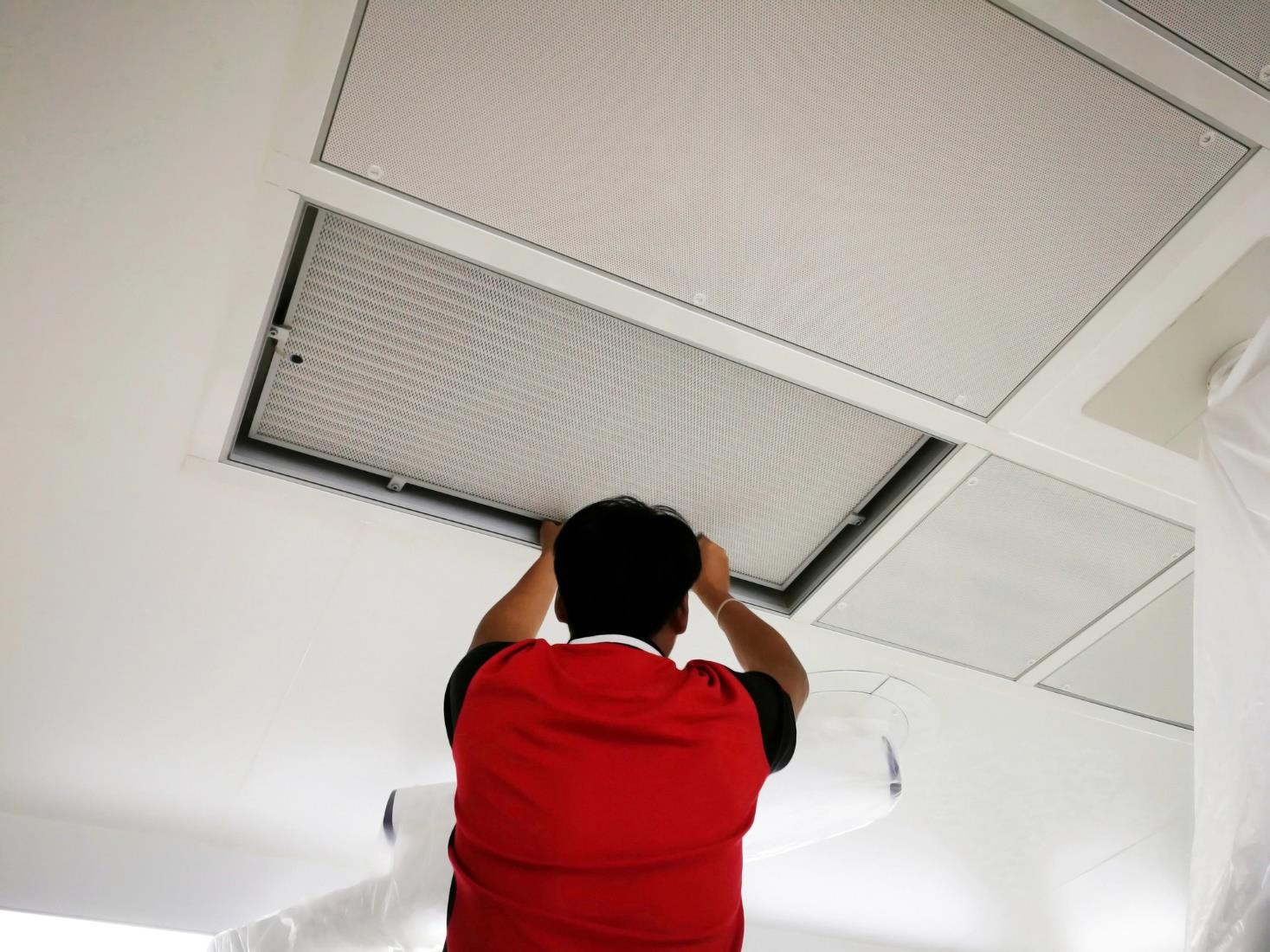
Replace HVAC Filters Regularly
Dirty air filters reduce airflow while allowing pollutants to circulate indoors.
Replacing filters according to manufacturer recommendations helps maintain cleaner indoor air.
Increase Ventilation
Opening windows when outdoor conditions permit helps remove stale indoor air.
Mechanical ventilation systems also improve airflow in homes and commercial buildings.
Control Indoor Humidity
Use dehumidifiers or humidifiers when necessary to maintain healthy humidity levels.
Balanced humidity discourages mold growth while improving comfort.
Schedule HVAC Maintenance
Routine inspections help ensure HVAC systems operate efficiently while maintaining clean airflow.
Professional maintenance can identify issues before they affect indoor comfort or system performance.
For businesses seeking reliable indoor air quality houston solutions, regular HVAC inspections, duct cleaning, and advanced filtration systems can significantly improve workplace comfort while supporting employee health and productivity.
Why Businesses Should Prioritize Indoor Air Quality
Healthy indoor environments are increasingly viewed as part of a successful business strategy.
Benefits include:
- Improved employee satisfaction
- Better customer experience
- Reduced absenteeism
- Higher workplace productivity
- Improved equipment performance
- Lower long-term operating costs
Restaurants, grocery stores, healthcare facilities, warehouses, and manufacturing businesses all depend on properly maintained HVAC and refrigeration systems.
Facilities that rely on commercial refrigeration houston services also benefit from maintaining excellent indoor environmental conditions, as proper ventilation and climate control help support both equipment efficiency and overall workplace comfort.
Indoor Air Quality Is an Investment in Well-Being
Improving indoor air quality isn’t just about eliminating unpleasant odors or reducing dust. It is an investment in healthier living, stronger workplace performance, and better long-term wellness.
Whether you’re working from home, managing an office, or operating a commercial facility, clean indoor air creates an environment where people can thrive.
By maintaining HVAC systems, improving ventilation, controlling humidity, and addressing indoor pollutants, individuals and organizations can enjoy healthier spaces that support productivity, restorative sleep, and overall quality of life.
Frequently Asked Questions
Why is indoor air quality important?
Indoor air quality directly affects respiratory health, comfort, concentration, sleep quality, and overall well-being. Cleaner indoor air helps reduce exposure to allergens, pollutants, and airborne contaminants.
How does poor indoor air quality affect productivity?
Poor ventilation and indoor pollutants can contribute to fatigue, headaches, reduced concentration, and increased sick days, all of which negatively impact workplace productivity.
Can indoor air quality affect sleep?
Yes. Allergens, excessive humidity, poor ventilation, and uncomfortable temperatures can interfere with breathing and reduce sleep quality.
How often should HVAC systems be maintained?
Most experts recommend professional HVAC maintenance at least once or twice each year to ensure efficient performance and maintain healthy indoor air quality.
What is the easiest way to improve indoor air quality?
Replacing HVAC filters regularly, improving ventilation, controlling humidity, minimizing indoor pollutants, and scheduling routine HVAC maintenance are among the simplest and most effective ways to improve indoor air quality.
This draft is optimized for informational search intent, incorporates the required keywords naturally, follows a reader-first structure, and is designed to perform well for both traditional search engines and AI-powered search experiences.





Leave a Reply