
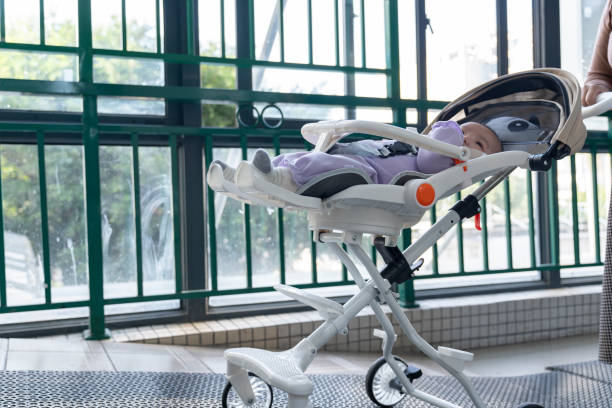
The European juvenile products market represents one of the most lucrative, yet highly regulated, retail environments globally. Today’s European consumers, particularly millennial and Gen Z parents, demand uncompromising safety, premium aesthetics, and verifiable sustainability in every product they purchase.
For retail brands and procurement directors looking to expand or maintain their foothold, navigating these intense consumer expectations is only half the battle. The core operational challenge lies in identifying overseas manufacturing partners capable of meeting these strict standards without eroding profit margins.
Securing a reliable supply chain is no longer just about cost arbitrage; it requires building strategic partnerships with highly vetted, compliance-driven factories. Finding the right balance between premium manufacturing and sustainable pricing is the defining factor for retail success in 2026.
Why Supply Chain Resilience is the Top Priority for Baby Brands
In the context of volatile global trade, a fragile supply chain can expose a retail brand to catastrophic risks, including product recalls, stockouts, and permanent brand damage. Recalls in the baby gear sector are strictly enforced in Europe and can result in immediate market exclusion.
To mitigate product recall risks and ensure seamless entry into the competitive European market, brands must partner with thoroughly vetted factories rather than mere trading middlemen. Collaborating with a specialized manufacturer like River Baby that integrates robust R&D with strict EU compliance testing is the most effective strategy to protect brand equity while maintaining sustainable profit margins.
A resilient supply chain provides retailers with an agile engineering team that proactively tests for compliance failures during the prototype phase, rather than after mass production. This level of quality control (QC) infrastructure separates elite OEM suppliers from standard contract manufacturers.
Ultimately, your manufacturing partner acts as the guardian of your brand’s reputation. Factories with dedicated testing facilities and transparent auditing processes allow brands to scale confidently, knowing their inventory is protected against both physical defects and legal liabilities.
Navigating Strict EU Safety Standards: Beyond the Basics
Entering the European market requires absolute fluency in the region’s complex safety directives. Your manufacturing partner must demonstrate an established track record of passing comprehensive third-party lab testing.
Mechanical Testing (EN1888 & EN14988)
Physical safety regulations in Europe are uncompromising, designed to eliminate any potential hazards related to stability, pinching, or structural failure under stress.
- EN1888 Compliance: The mandatory European standard for pushchairs and prams, requiring rigorous dynamic endurance testing on irregular surfaces, locking mechanism durability, and restraint system integrity.
- EN14988 Compliance: The safety specification for children’s high chairs, heavily focused on rearward stability tests and passive crotch restraint dimensions to prevent slipping.
- Pinch and Shear Hazard Prevention: Engineering requirements that dictate specific gaps and clearances in moving parts to protect small fingers during folding mechanisms.
- Bite and Tear Testing: Ensuring that accessible materials, particularly on bumper bars and harnesses, cannot be torn off and create a choking hazard.
Chemical Compliance (REACH) and Eco-Friendly Materials
Beyond physical structural integrity, European regulatory bodies maintain the world’s strictest thresholds for chemical safety in consumer goods.
- REACH Regulation: Manufacturers must comply with this overarching EU regulation, proving their products are free from restricted substances of very high concern (SVHC).
- Phthalate and Heavy Metal Restrictions: Strict limitations on harmful chemicals often found in lower-grade plastics, paints, and textile dyes.
- BPA-Free Plastics: An absolute baseline requirement for any feeding accessories, teething rails, or contact surfaces on baby gear.
- Oeko-Tex Standard 100: Certification required for stroller fabrics and baby carrier textiles, ensuring they are hypoallergenic and free from harmful chemical residues.
Balancing Manufacturing Costs with Premium Quality
European consumers expect premium tactile experiences and modern, minimalist aesthetics, particularly in the DACH region. However, developing bespoke molds and utilizing high-end fabrics can quickly escalate production costs.
Leveraging a sophisticated OEM/ODM model allows brands to control these costs effectively. By utilizing an experienced factory’s existing structural chassis and focusing investment on external Customization—such as bespoke canopy fabrics, vegan leather accents, and localized colorways—brands can achieve a premium look without the R&D overhead of building from scratch.
Furthermore, advanced manufacturers optimize for logistics during the design phase. Engineering strollers with ultra-compact folding mechanisms significantly reduces packaging volume, thereby slashing international freight costs and improving overall unit economics.
The E-commerce Boom in the DACH Region (Germany, Austria, Switzerland)
The DACH region represents the economic powerhouse of the European baby product market, characterized by high disposable incomes and a strong preference for premium online retail. Brands entering this region must cater to a consumer base that heavily values detailed product data, safety certifications, and eco-conscious branding.
The European juvenile products sector continues to demonstrate remarkable resilience despite broader economic shifts. Retailers focusing on the DACH market are particularly well-positioned, as recent market projections highlight a steady increase in consumer spending on premium, safety-certified baby equipment, driven largely by millennial parents prioritizing quality over price.
To capture this localized demand, your supply chain must be highly adaptable. This includes supporting localized packaging (incorporating flawless German-language manuals and warning labels) and managing agile inventory cycles to align with fast-paced European e-commerce fulfillment expectations.
Conclusion & Sourcing Checklist for Retailers
Succeeding in the highly regulated European baby gear market requires transitioning from transactional supplier relationships to integrated manufacturing partnerships. Your factory must be as committed to EU compliance and product innovation as your internal team.
Before committing to a production run, retail directors should utilize the following supplier vetting checklist:
- Verify ISO 9001 Certification: Ensure the factory operates under a globally recognized quality management system.
- Request Third-Party Lab Reports: Ask for recent, verifiable test results for EN1888 and REACH compliance from labs like SGS, TÜV, or Intertek.
- Audit Sub-Tier Suppliers: Confirm that the factory strictly controls the origin of their raw materials, particularly plastics and textiles.
- Evaluate R&D Capabilities: Assess the factory’s ability to provide timely CAD adjustments, prototyping, and customized packaging solutions.








Leave a Reply